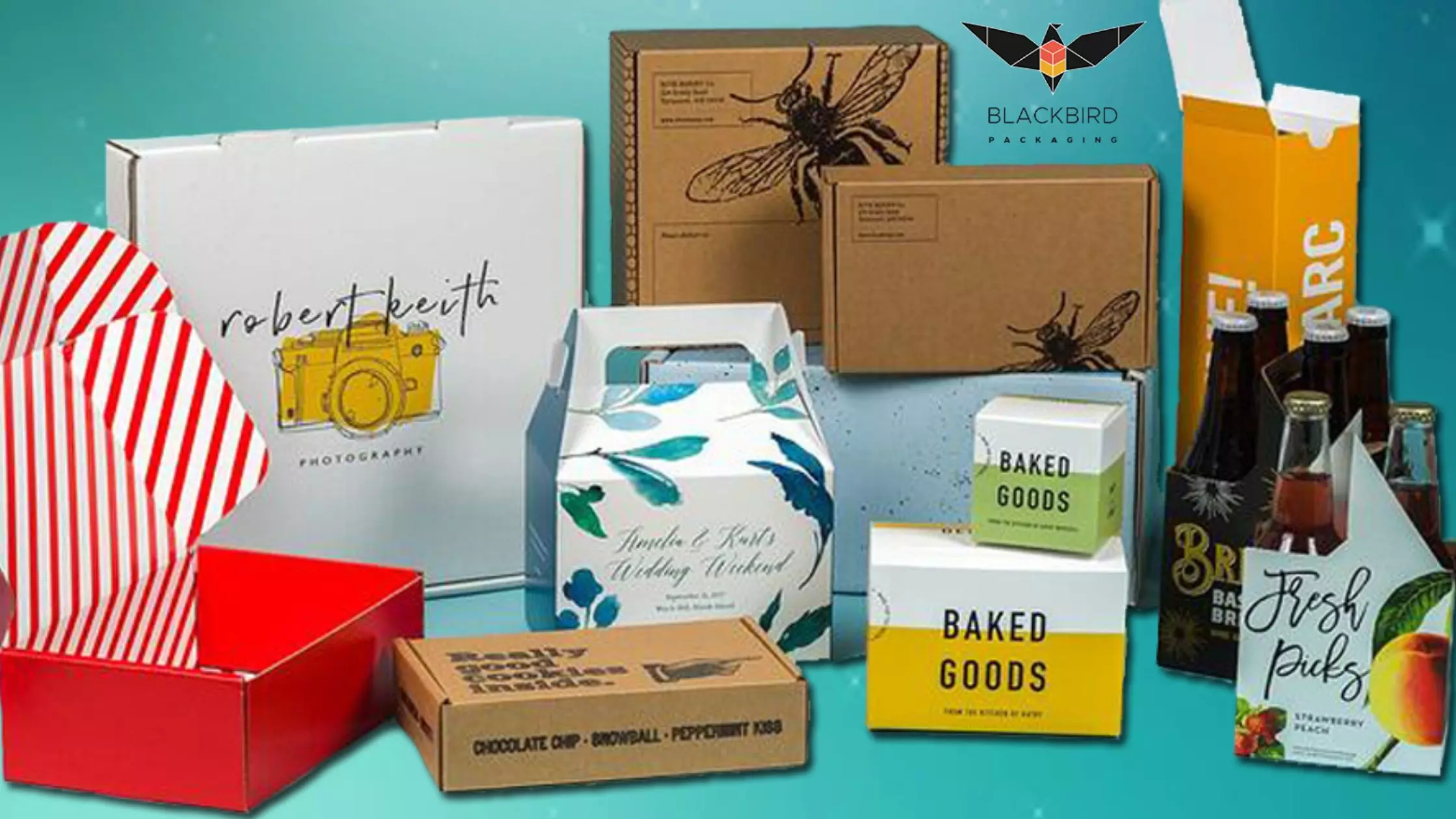
In a marketplace driven by rapid choices and shorter attention spans, businesses are constantly seeking ways to stand out without overwhelming their audience. While advertising, digital presence, and product quality remain central, one element often underestimated is the role of packaging in shaping consumer decisions. Retail packaging, particularly in physical environments, acts as a subtle yet powerful medium that influences perception, memory, and ultimately, purchase behavior. Packaging masterminds like Dhwani Polyprints are redefining how businesses approach packaging, not as a finishing touch, but as a core part of the consumer experience.
The modern retail environment is no longer just about shelves and displays. It is about creating a cohesive sensory journey where every detail contributes to the overall impression. Packaging becomes an extension of this journey, interacting with customers at critical decision points. From the moment a product is picked up to the instant it is carried out of a store, packaging quietly communicates value, quality, and intent.
The Shift from Utility to Experience in Retail Packaging
Retail packaging has traditionally been viewed as a functional necessity, something that protects and contains products while making them easy to transport. However, this perspective is evolving rapidly. Today, packaging is being designed with the customer experience in mind, transforming everyday interactions into memorable moments.
In this context, retail bags have become more than just carriers. They serve as moving brand statements that extend the in-store experience into the outside world. A thoughtfully designed retail bag can turn a simple purchase into a visual endorsement, as customers carry it through streets, malls, and social spaces. This visibility creates organic brand exposure that feels authentic rather than promotional.
This shift from utility to experience reflects a deeper understanding of consumer behavior. Customers are not just buying products; they are engaging with brands. Packaging plays a crucial role in shaping how that engagement feels.
The Role of Packaging in Post-Purchase Branding
One of the most overlooked opportunities in retail lies in what happens after the purchase is made. Businesses often focus heavily on attracting customers and closing sales, but the post-purchase phase is equally important for building loyalty and recall.
Retail packaging, especially carry bags, becomes a key touchpoint in this phase. Unlike advertisements that disappear after a few seconds, a well-designed bag continues to interact with the customer long after they leave the store. It may be reused, seen by others, or even associated with positive memories of the shopping experience.
This extended lifecycle turns packaging into a long-term branding tool. It reinforces the brand’s presence in subtle ways, making it more likely that customers will remember and return. In a competitive retail environment, this kind of sustained visibility can make a significant difference.
Designing for Visibility in Everyday Environments
Retail bags operate in dynamic, real-world environments where visibility is influenced by movement, lighting, and context. Designing for such environments requires a different approach compared to traditional packaging.
Colors, typography, and layout must be chosen not just for aesthetic appeal but for their ability to stand out in crowded spaces. Simplicity often becomes more effective than complexity, as bold and clear designs are easier to recognize at a glance. The goal is to create packaging that captures attention without demanding it.
Additionally, the physical structure of the bag plays a role in how it is perceived. Shape, size, and material influence how the bag moves and holds its form, affecting its visual impact. When these elements are thoughtfully aligned, retail packaging becomes a powerful tool for passive marketing.
Emotional Connection Through Everyday Utility
One of the unique strengths of retail packaging is its ability to create emotional connections through everyday use. Unlike many marketing tools that are consumed quickly, packaging often becomes part of a customer’s daily life.
A durable and well-designed retail bag may be reused multiple times, gradually becoming associated with convenience and reliability. Over time, this repeated interaction builds familiarity and trust. The brand becomes embedded in the customer’s routine, not through aggressive messaging but through consistent presence.
This emotional connection is subtle but powerful. It shifts the relationship between the customer and the brand from transactional to experiential, making future interactions more meaningful.
Retail Packaging as a Reflection of Brand Values
Consumers today are increasingly conscious of the values represented by the brands they choose. Packaging serves as a visible expression of these values, making it an important element of brand communication.
From material choices to design aesthetics, every aspect of retail packaging sends a message. Minimalist designs may convey sophistication and clarity, while bold and vibrant visuals may reflect creativity and energy. Similarly, sustainable materials can signal environmental responsibility, aligning with the expectations of modern consumers.
When packaging aligns with brand values, it creates consistency across all touchpoints. This consistency strengthens brand identity and makes it easier for customers to connect with the brand on a deeper level.
The Business Case for Investing in Better Retail Packaging
While the creative and experiential aspects of packaging are important, they must also be supported by strong business logic. Investing in high-quality retail packaging can deliver tangible benefits that justify the cost.
Improved durability reduces the risk of damage, ensuring that products reach customers in perfect condition. Enhanced usability makes it easier for customers to carry and store their purchases, improving overall satisfaction. Increased visibility contributes to brand awareness, potentially attracting new customers.
Moreover, well-designed packaging can reduce the need for additional marketing efforts by serving as a self-sustaining promotional tool. This makes it a cost-effective investment in the long run, particularly for businesses looking to optimize their marketing budgets.
The Intersection of Sustainability and Practical Design
Sustainability is becoming an essential consideration in retail packaging, but it must be balanced with practicality. Businesses are increasingly exploring ways to create packaging that is both environmentally responsible and functionally effective.
This involves rethinking materials, production processes, and design strategies to minimize environmental impact without compromising performance. For example, reusable retail bags offer a dual benefit: they reduce waste while also extending the brand’s visibility through repeated use.
The challenge lies in finding solutions that align with both business goals and environmental priorities. Companies that succeed in this area are likely to gain a competitive advantage, as consumers continue to prioritize sustainability in their purchasing decisions.
Retail Packaging in the Age of Hybrid Shopping
The rise of hybrid shopping, where customers move seamlessly between online and offline experiences, has added a new dimension to retail packaging. Businesses must now consider how packaging functions across multiple channels.
In physical stores, packaging contributes to the immediate shopping experience. In online orders, it becomes the first tangible interaction with the brand. Retail bags, in particular, can bridge these experiences by maintaining consistency in design and quality.
This consistency helps create a unified brand identity, regardless of how customers choose to shop. It ensures that every interaction, whether in-store or at home, reflects the same level of care and attention.
A New Perspective on Retail Packaging Strategy
As the retail landscape continues to evolve, businesses must adopt a more strategic approach to packaging. It is no longer enough to treat packaging as an afterthought. Instead, it should be integrated into the broader business strategy, influencing how products are presented, perceived, and remembered.
Retail packaging has the potential to shape customer experiences, reinforce brand identity, and create lasting impressions. By viewing it as a strategic asset, businesses can unlock new opportunities for growth and differentiation.
The most successful brands are those that understand the power of subtlety. They recognize that small details, like the design of a retail bag, can have a significant impact on how they are perceived. In a world where every interaction matters, packaging becomes more than just a container; it becomes a storyteller, a connector, and a silent ambassador for the brand.